
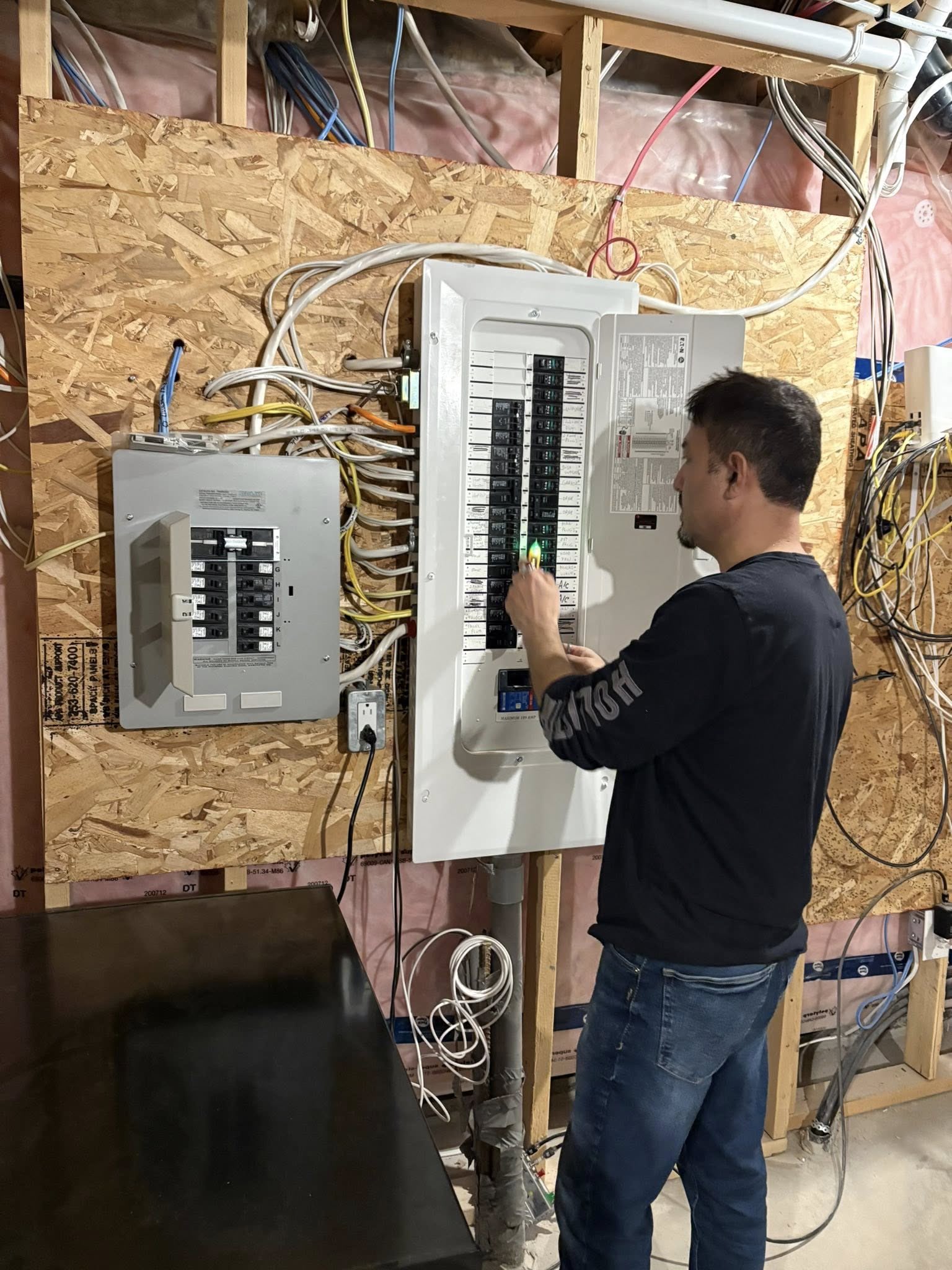
How to Childproof Your Home's Electrical System
As parents, grandparents, and caregivers, keeping children safe at home is always a top priority. While many families focus on baby gates, cabinet locks, and corner protectors, one area that often receives less attention is the home's electrical system. Curious toddlers and young children naturally explore their surroundings, and electrical outlets, cords, appliances, and switches can quickly become potential hazards if they are not properly secured.
Fortunately, creating a child-safe electrical environment doesn't require a complete home renovation. A combination of smart safety habits, modern electrical upgrades, and professional inspections can significantly reduce the risk of electrical injuries.
Whether you've just welcomed a new baby, are preparing your home for visiting grandchildren, or simply want to improve your family's safety, this guide will help you understand the most effective ways to childproof your home's electrical system.
Why Electrical Safety Matters for Families
Children are naturally curious. They learn by touching, pulling, opening, climbing, and investigating everything around them. Unfortunately, electricity is something they cannot see or fully understand, making it especially dangerous.
Electrical accidents involving children can lead to:
Electric shock
Severe burns
Falls caused by electrical contact
House fires
Permanent injuries
The good news is that many of these accidents are entirely preventable through proper planning and routine maintenance.
Start with Your Electrical Outlets
Electrical outlets are often the first thing children discover. Their small fingers and curiosity make outlets one of the biggest electrical risks inside the home.
Install Tamper-Resistant Receptacles
Modern building codes now require tamper-resistant outlets in most new homes because they are significantly safer than traditional receptacles.
These outlets contain built-in spring-loaded shutters that prevent children from inserting objects such as:
Keys
Hairpins
Paper clips
Toys
Forks
Coins
The shutters only open when both prongs of a plug are inserted simultaneously.
Unlike plastic outlet caps, tamper-resistant outlets remain permanently installed and cannot be removed by children.
Replace Damaged or Loose Outlets
Loose outlets may not securely hold plugs, causing cords to partially disconnect and expose energized prongs.
Watch for outlets that:
Feel warm
Spark when plugging something in
Have cracks
Wiggle in the wall
Hold plugs loosely
Damaged outlets should always be replaced by a licensed electrician.
Install GFCI Protection
Ground Fault Circuit Interrupters (GFCIs) are designed to shut off electricity almost instantly when they detect abnormal current flow.
These outlets are especially important in:
Bathrooms
Kitchens
Laundry rooms
Garages
Basements
Outdoor areas
Because children often play around sinks, bathtubs, or outdoor water features, GFCI protection provides an extra layer of safety against electrical shock.
Secure Electrical Cords
Children love pulling on cords because they resemble ropes or toys.
Unfortunately, this can cause:
Appliances to fall
Lamps to tip over
Electrical cords to fray
Exposed wiring
Electrical shocks
Keep cords:
Behind furniture
Inside cord management channels
Out of walking paths
Away from cribs and play areas
Avoid leaving excess cord lengths hanging from tables or counters.
Never Run Cords Under Rugs
Many homeowners hide extension cords beneath rugs for appearance, but this creates multiple hazards.
Covered cords cannot properly release heat, increasing the risk of overheating and fire.
Children may also trip over hidden cords without realizing they are there.
If you frequently rely on extension cords, it may be time to install additional outlets where you actually need power.
Avoid Overloading Power Bars
Today's homes contain more electronics than ever before.
Televisions, gaming systems, tablets, chargers, computers, and kitchen appliances all compete for outlet space.
Overloaded power bars create unnecessary fire risks.
Instead:
Spread electrical loads across multiple circuits
Use surge protectors where appropriate
Replace worn power bars
Avoid plugging one power strip into another
If your family constantly needs additional outlets, a licensed electrician can recommend safer long-term solutions.
Keep Appliances Out of Reach
Small kitchen appliances can become dangerous if children pull on their cords.
Common examples include:
Toasters
Coffee makers
Slow cookers
Air fryers
Electric kettles
Always position appliances away from counter edges and keep cords wrapped neatly behind them.
Never allow appliance cords to hang where curious children can reach them.
Childproof Your Lighting
Table lamps and floor lamps often attract toddlers because they can be pulled over.
Whenever possible:
Anchor tall lamps
Use stable lamp bases
Replace damaged cords immediately
Keep lamps away from climbing furniture
Consider installing permanent ceiling lighting in rooms where children spend most of their time.
Check Smoke and Carbon Monoxide Detectors
Electrical safety isn't only about preventing shocks.
Smoke alarms provide early warning if an electrical fire begins.
Test every smoke detector monthly.
Replace batteries according to the manufacturer's recommendations.
Install smoke alarms:
Inside bedrooms
Outside sleeping areas
On every floor
Near stairways
Carbon monoxide detectors should also be installed if your home contains fuel-burning appliances.
Upgrade Older Electrical Panels
Many older Ottawa homes were built before today's electrical demands existed.
Modern families often operate:
Multiple televisions
Gaming consoles
Home offices
EV chargers
Air conditioners
Smart home devices
Older electrical panels may become overloaded more easily.
Warning signs include:
Frequently tripping breakers
Flickering lights
Burning smells
Buzzing sounds
Warm electrical panels
Upgrading your electrical panel improves safety while supporting today's technology.
Teach Children About Electrical Safety
Technology helps, but education is equally important.
As children grow older, teach them:
Never insert objects into outlets.
Never touch damaged cords.
Stay away from electrical equipment during storms.
Never use electronics near water.
Tell an adult if something smells like burning.
Simple conversations repeated regularly help build lifelong safety habits.
Keep Outdoor Electrical Areas Safe
Outdoor play introduces additional electrical hazards.
Inspect:
Exterior outlets
Garden lighting
Extension cords
Pool equipment
Holiday lighting
Outdoor outlets should always have weather-resistant covers and GFCI protection.
Never allow children to play with extension cords or electrical decorations.
Schedule Routine Electrical Inspections
Even if everything appears to work properly, hidden problems can develop over time.
A professional electrical inspection can identify:
Aging wiring
Loose connections
Outdated breakers
Improper grounding
Overloaded circuits
Fire hazards
Regular inspections provide peace of mind, especially in older homes or before welcoming a new baby.
Consider Smart Home Safety Features
Modern electrical technology offers additional ways to improve household safety.
Smart devices can include:
Smart lighting schedules
Motion-activated lights
Smart smoke detectors
Smart circuit monitoring
Whole-home surge protection
These upgrades improve convenience while helping protect your family.
Create Safe Charging Stations
Phones, tablets, and rechargeable toys have become part of everyday life.
Instead of allowing chargers throughout the home, create one organized charging station.
Keep chargers:
Away from children's bedrooms
Off the floor
Properly ventilated
Free from clutter
Avoid charging devices under pillows, blankets, or furniture where heat can build up.
Replace Worn Electrical Equipment
Inspect electrical equipment regularly.
Replace items showing:
Frayed cords
Broken plugs
Exposed wires
Melted insulation
Burn marks
Never attempt temporary fixes using electrical tape on severely damaged cords.
Replacing inexpensive electrical accessories is far safer than risking an electrical fire.
Don't Ignore Warning Signs
Electrical systems often provide warning signs before major failures occur.
Contact a licensed electrician if you notice:
Flickering lights
Buzzing outlets
Hot switches
Burning odours
Frequent breaker trips
Sparks
Dimming lights when appliances start
Addressing small issues early can prevent expensive repairs and improve your family's safety.
Building a Safer Home for Your Family
Childproofing your home's electrical system isn't about eliminating every possible risk—it's about creating multiple layers of protection. Modern safety devices, regular maintenance, professional inspections, and good household habits all work together to reduce the chances of electrical accidents.
Whether your home is brand new or decades old, investing in electrical safety today helps protect your family for years to come. From upgrading outdated outlets to installing GFCI protection and ensuring your electrical panel can safely handle your household's needs, every improvement contributes to a safer living environment.
If you're unsure whether your home's electrical system meets today's safety standards, a licensed electrician can assess your property, identify potential hazards, and recommend practical upgrades that provide lasting peace of mind. For Ottawa families, taking a proactive approach to electrical safety is one of the smartest investments you can make in your home and your loved ones.
